
Every person planning a Corbett safari asks the same question. Which zone gives the best tiger sighting?
The honest answer is: it depends on the season, the time of day and a fair amount of luck. But some zones consistently outperform others. And some zones get recommended online simply because they’re famous, not because they’re the right fit for what you’re actually looking for.
This guide breaks down every major zone by tiger sighting probability, terrain, permit availability and best season. By the end you’ll know exactly which zone to book and why.
How tiger sightings actually work in Corbett
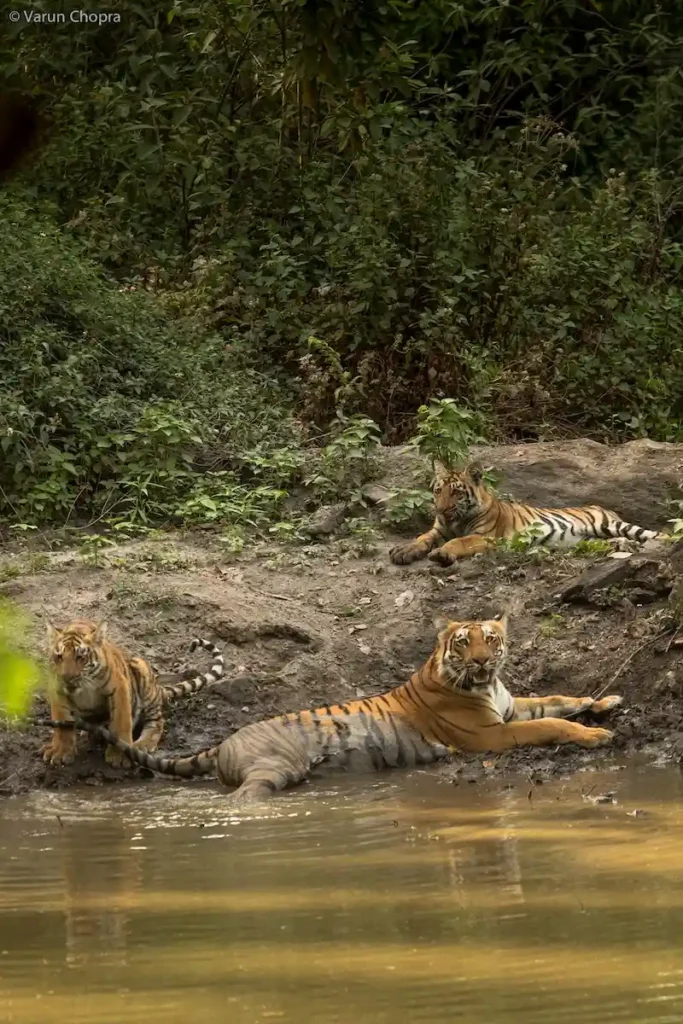
Corbett has roughly 260 tigers across the reserve as of the last census. That’s a high density. But high density doesn’t mean guaranteed sightings.
Tigers follow water, prey and shade. In summer, vegetation thins out and animals concentrate near water sources. Sighting probability goes up. In monsoon, the forest is dense and tigers disperse widely. Sighting probability drops. In winter, conditions are comfortable but tigers can be harder to locate in thick grass.
Time of day matters as much as zone choice. Morning slots, 6 to 9 AM, are when tigers are most active. They move, they hunt, they cross open ground. By 10 AM most have settled into cover for the day.
Zone choice matters because each zone has different terrain, different vegetation density and different water sources. Those variables determine where tigers show up and how visible they are when they do.
Dhikala zone
Dhikala is the largest and oldest zone in the Corbett Tiger Reserve. It covers the vast Patli Dun valley, a wide open grassland system that makes tiger sightings more visible than almost anywhere else in India.
Why it works for tigers
The chaur grasslands in Dhikala are the key. Tigers cross open ground here. When a tiger moves through Dhikala’s grasslands you see the whole animal, not just a flash between trees. Sightings here tend to be long and clear.
The catch
Dhikala permits are the hardest to get in all of Corbett. The zone has the lowest vehicle quota and the highest demand. In peak season, slots go 45 to 60 days out within hours of opening. Overnight stays at the Dhikala rest house are even harder to secure.
Best season: March to June. Grasslands dry out, tigers move toward the Ramganga reservoir and visibility is at its highest.
Permit difficulty: Very high.
Verdict: Best overall zone for tiger sightings if you can get a permit.
Bijrani zone
Bijrani is the most popular zone in Corbett for a reason. It has a good tiger population, mixed terrain of sal forest and grassland clearings and permit availability that’s more manageable than Dhikala.
Why it works for tigers
Bijrani’s mix of dense forest and open chaurs means tigers use this zone actively for both hunting and resting. The Bijrani chaur in particular is one of the most reliable open clearings in the reserve for sightings. Morning safaris here regularly produce tiger activity.
The catch
Popularity means more vehicles. In peak season Bijrani can feel busy compared to other zones. Sightings happen but you may share them with 4 or 5 other jeeps.
Best season: October to March. Dense vegetation eases off slightly and tigers are active near the forest edges and clearings.
Permit difficulty: Moderate to high.
Verdict: Best balance of tiger sighting probability and permit availability. Good first choice for most visitors.
Jhirna zone
Jhirna is the only zone in the Corbett Tiger Reserve open year-round, including during monsoon. That single fact makes it unique.
Why it works for tigers
Jhirna has a consistent tiger population and the zone’s terrain, mixed scrub and sal forest with open patches, gives good visibility when animals are moving. Because it stays open in monsoon when every other zone is closed, it’s the only option for July to September visitors.
The catch
Jhirna’s tiger sighting rate in peak season is lower than Dhikala or Bijrani. The terrain is slightly more closed and animals have more cover to disappear into. You’ll see tigers here but less reliably than in the top 2 zones.
Best season: March to June. Heat pushes tigers toward the zone’s water sources and vegetation thins considerably.
Permit difficulty: Low to moderate.
Verdict: Best zone for monsoon visits. Solid option year-round if Dhikala and Bijrani are fully booked.
Durgadevi zone
Durgadevi sits in the northeastern corner of the reserve, bordering the Ramganga river and the upper forest ridges. It’s the least visited core zone in Corbett.
Why it works for tigers
Tiger density in Durgadevi is real. The zone sees far fewer vehicles than Bijrani or Dhikala which means when a sighting happens it tends to be undisturbed and extended. The Ramganga river corridor through this zone is particularly productive.
The catch
Durgadevi is hilly terrain. Sightings require more time and patience. The zone doesn’t produce the open grassland sightings that Dhikala delivers. It’s a zone for people who enjoy the process of tracking as much as the sighting itself.
Best season: November to February. River corridor is most active during winter months.
Permit difficulty: Low.
Verdict: Good choice for experienced wildlife watchers who want fewer vehicles and a more raw experience.
Dhela zone
Dhela is the newest zone open to tourism in the Corbett Tiger Reserve and the only one on the western bank of the Ramganga. It opened in 2014 and is still relatively unknown among first-time visitors.
Why it works for tigers
Tiger movement through Dhela is documented and sightings are recorded regularly. The zone has a mix of grassland and forest that suits tiger activity. Low vehicle numbers mean wildlife is relatively undisturbed.
The catch
Dhela’s track record is shorter than other zones. Sighting data over time is less established. It’s a promising zone but not yet a consistent performer the way Bijrani or Dhikala are.
Best season: March to June.
Permit difficulty: Low.
Verdict: Worth considering if other zones are fully booked. Good for visitors who want low crowds.
Garjia zone
Garjia is a core zone of the Corbett Tiger Reserve, sitting in the northeastern section of the reserve along the Kosi River. It’s one of the most misidentified zones in Corbett. People label it a buffer zone online regularly. It isn’t. It’s a core zone with a core zone permit requirement.
Why it works for tigers
The Kosi River runs through Garjia and that riverine corridor is productive tiger territory. Tigers use the Kosi floodplain actively, particularly in the early morning hours when they move between water sources. Sightings along the river edge are recorded consistently.
The zone also has very low vehicle density compared to Bijrani or Dhikala. When a tiger sighting happens in Garjia, you’re less likely to be sharing it with a queue of other jeeps.
The catch
Garjia’s terrain is more riverine and forested than open. You won’t get the wide grassland sightings that Dhikala produces. Spotting requires patience and the sightings tend to be briefer as tigers move in and out of dense riparian cover.
Best season: March to June. Tigers concentrate near the Kosi as water sources elsewhere dry up.
Permit difficulty: Low to moderate.
Verdict: Underrated zone for tiger sightings. The riverine terrain produces genuine encounters and low vehicle numbers mean the experience is more personal than the busier zones.
Phato zone
Phato is one of the lesser-known zones of the Corbett Tiger Reserve, located in the buffer area on the eastern edge of the reserve. It sees very little tourist traffic compared to Dhikala, Bijrani or even Durgadevi and that low footfall is both its strength and its limitation.
Why it works for tigers
Tigers move through Phato regularly. The zone connects to the broader Corbett forest corridor and serves as a passage route for wildlife moving between different sections of the reserve. Because vehicle density is extremely low, any tiger encounter in Phato tends to be undisturbed.
The catch
Phato’s infrastructure for tourism is less developed than the main zones. Safari operations here are less organised and information on current permit availability can be harder to come by. Sighting rates are lower simply because the zone gets fewer safaris and therefore fewer reported encounters.
Best season: March to June.
Permit difficulty: Low.
Verdict: A zone for serious wildlife watchers who want to go off the beaten track. Tiger probability is real but not as consistently documented as the top core zones.
Sitabani zone
Sitabani is a buffer zone under the Ramnagar Forest Division, separate from the Corbett Tiger Reserve. Tigers are resident here and sightings are recorded but the zone operates differently from every core zone listed above.
Why it works for tigers
Low footfall means tigers in Sitabani are less habituated to vehicles. Encounters feel more genuine. The sal forest terrain rewards patient tracking over quick open-ground sightings.
The catch
Sitabani’s permit runs through the Ramnagar Forest Division, not the Corbett Tiger Reserve portal. Dense vegetation means sightings are harder to come by than in Dhikala or Bijrani’s open grasslands.
Best season: October to June.
Permit difficulty: Low.
Verdict: Good for visitors who want a quieter, less commercialised experience. Lower sighting probability than the top core zones but the quality of encounters is often better.
Zone comparison: side by side
| Zone | Tiger sighting probability | Best season | Terrain | Permit difficulty | Crowds |
| Dhikala | High | November to June | Open grassland, reservoir | Very high | Low (limited vehicles) |
| Bijrani | High | October to June | Mixed sal and chaur | Moderate to high | Moderate |
| Jhirna | High | October to June | Mixed scrub and sal | Low to moderate | Low |
| Durgadevi | Moderate | November to June | Hilly river corridor | Low | Very low |
| Dhela | Moderate | October to June | Grassland and forest | Low | Very low |
| Garjia | Moderate | October to June | Riverine, Kosi corridor | Low to moderate | Very low |
| Phato | High | March to June | Mixed forest corridor | Low | Very low |
| Sitabani | Moderate | March to June | Dense sal forest | Low | Very low |
Which zone should you book?
Here’s a direct answer based on what you’re after.
You want the highest tiger sighting probability: Book Dhikala. March to June is the best window. Start checking permit availability 60 days out.
You want good sightings without the permit stress: Book Bijrani. It’s reliable, well-managed and more accessible than Dhikala. October to March works well.
You’re visiting in monsoon (July to September): Jhirna, Dhela & Garjia are your options. The rest of the zones are closed.
You want a riverine tiger experience with low crowds: Book Garjia. The Kosi corridor produces solid sightings and you’re unlikely to share them with many other vehicles.
You want fewer vehicles and a more personal experience: Durgadevi, Dhela or Phato. Lower probability but the sightings you do get are usually unshared.
You want a buffer zone experience separate from the main reserve: Sitabani. Different permit system, different terrain and a noticeably quieter forest.
Not sure which zone fits your dates and travel plan? Get free zone advice from our team before you book.
Frequently asked questions
Which zone has the highest tiger sighting rate in Jim Corbett?
Dhikala consistently produces the highest quality tiger sightings, particularly March to June when the Patli Dun grasslands dry out and tigers move toward the Ramganga reservoir. Bijrani is the more accessible alternative with strong sighting records year-round.
Is Dhikala worth the effort to book?
Yes, if you can get a permit. The open grassland sightings at Dhikala are unlike anything else in Corbett. The permit process is competitive but the experience justifies it.
Is Garjia good for tiger sightings?
Yes. The Kosi River corridor makes Garjia a productive zone for tigers, particularly in the early morning hours. Low vehicle density means encounters are less crowded than in the busier zones. It’s an underrated option that most visitors overlook.
What is Phato zone known for?
Phato is a lesser-known zone on the eastern edge of the Corbett Tiger Reserve. It sees very little tourist traffic and functions partly as a wildlife corridor between sections of the reserve. Tiger movement through Phato is documented but sighting rates are lower than the main core zones simply because fewer safaris run here.
Can you see tigers in every zone?
Tigers are present across all zones. Sighting probability varies by zone, season and time of day. No zone guarantees a sighting and anyone who tells you otherwise is overselling it.
Which zone is easiest to get a permit for?
Durgadevi, Dhela, Phato and Sitabani have the lowest demand and the easiest permit availability. Dhikala is the hardest by a significant margin.
Is morning or evening safari better for tiger sightings?
Morning, consistently. The 6 to 9 AM slot is when tigers are most active. They’re hunting, moving and crossing open ground. Evening slots can produce sightings but morning slots outperform them across every zone.
How many days should I spend in Corbett for a tiger sighting?
3 days minimum, covering at least 2 different zones. More time means more chances. A single day safari in any zone is a gamble, even in peak season.
Which zone should a first-time visitor book?
Bijrani. Good tiger population, manageable permits, mixed terrain and well-run safaris. It’s the most reliable introduction to Corbett for someone visiting for the first time.
Still unsure which zone fits your trip?
Enquire with our team for free zone advice and we’ll match you to the right zone based on your dates and priorities.