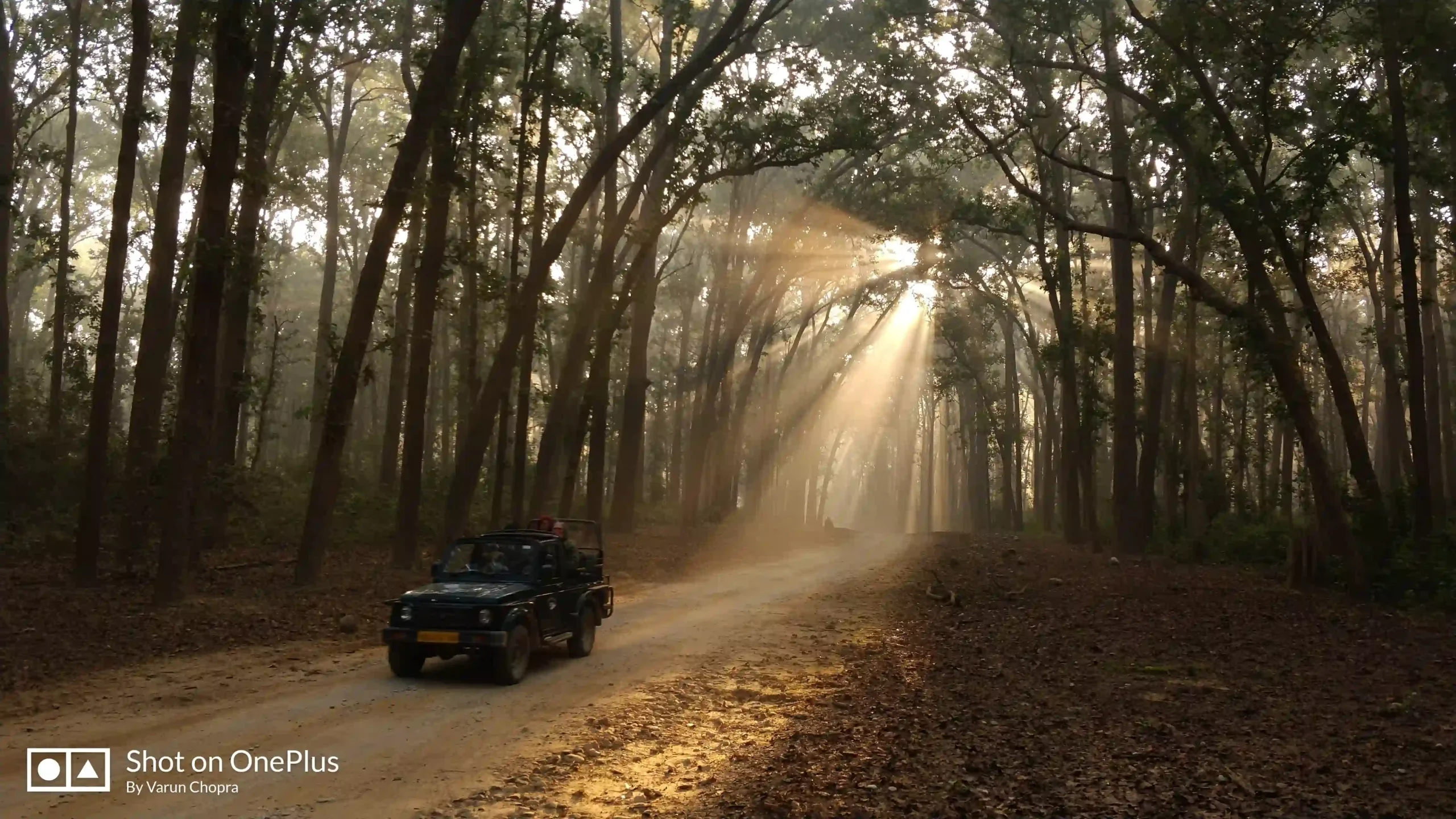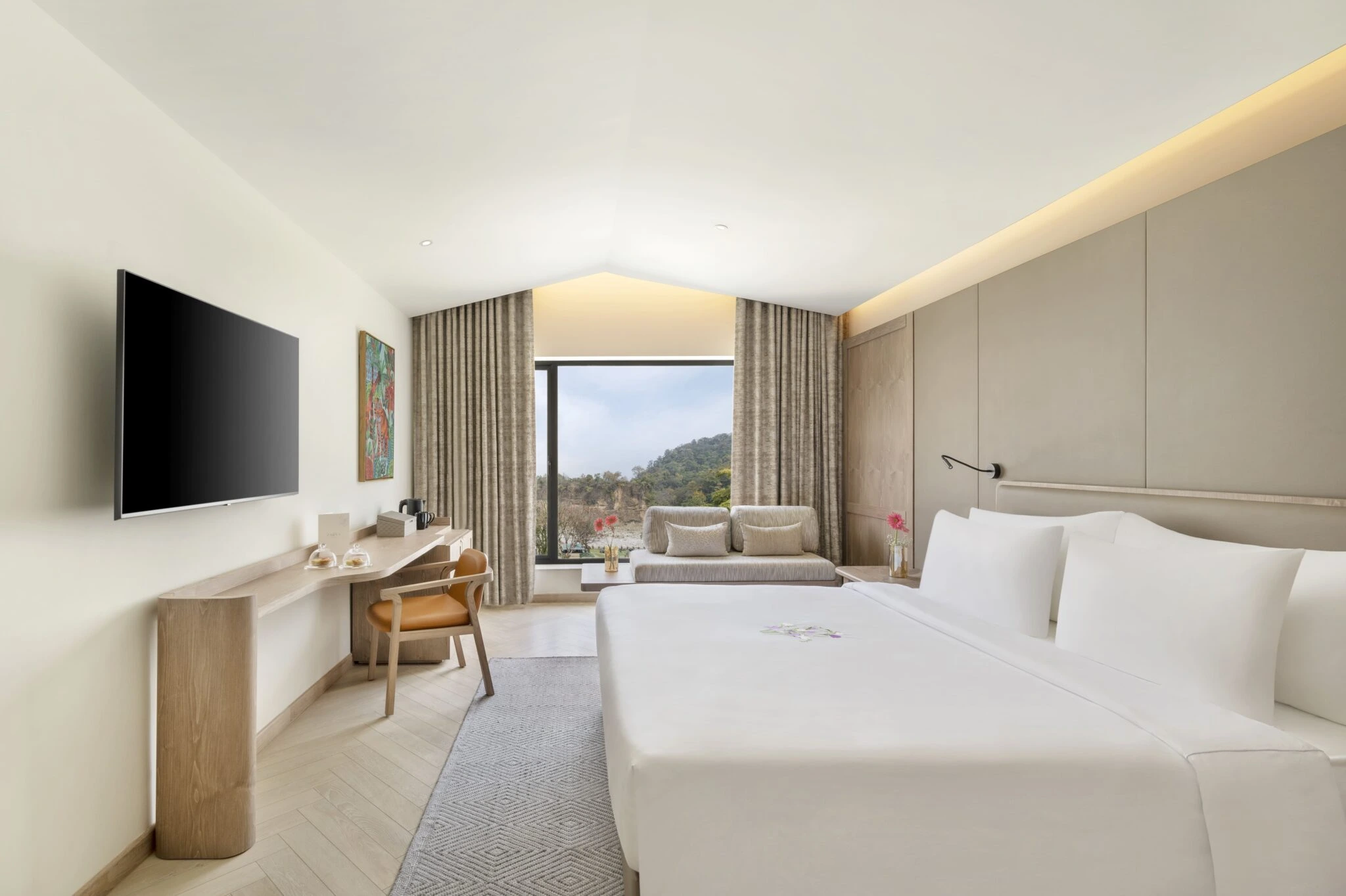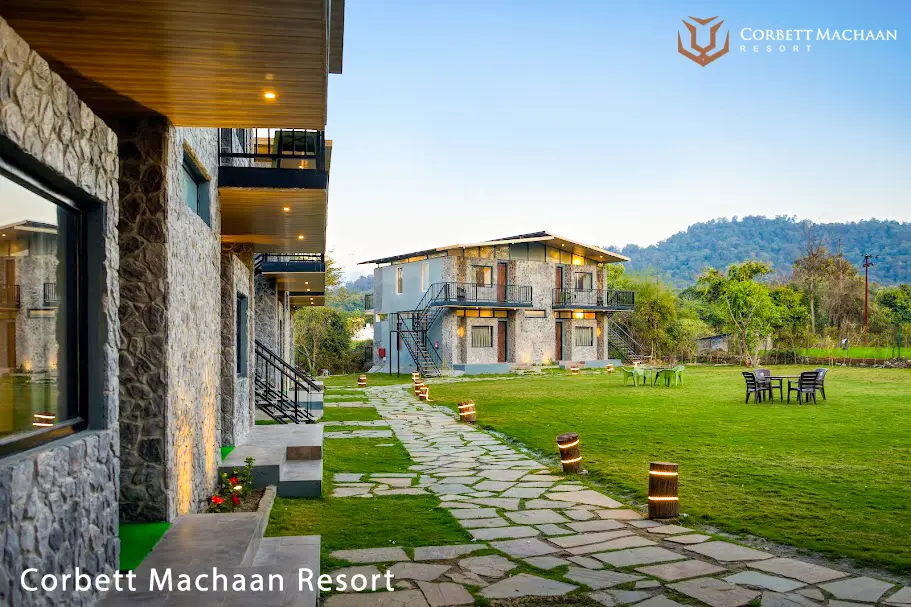

Sitabani is a buffer zone under the Ramnagar Forest Division. Not the Corbett Tiger Reserve.
That single detail changes everything about how you plan this trip. The permit is different. The booking process is different. The entry gate is different. Visitors who assume a standard Corbett Tiger Reserve core zone permit covers Sitabani get turned away at the gate.
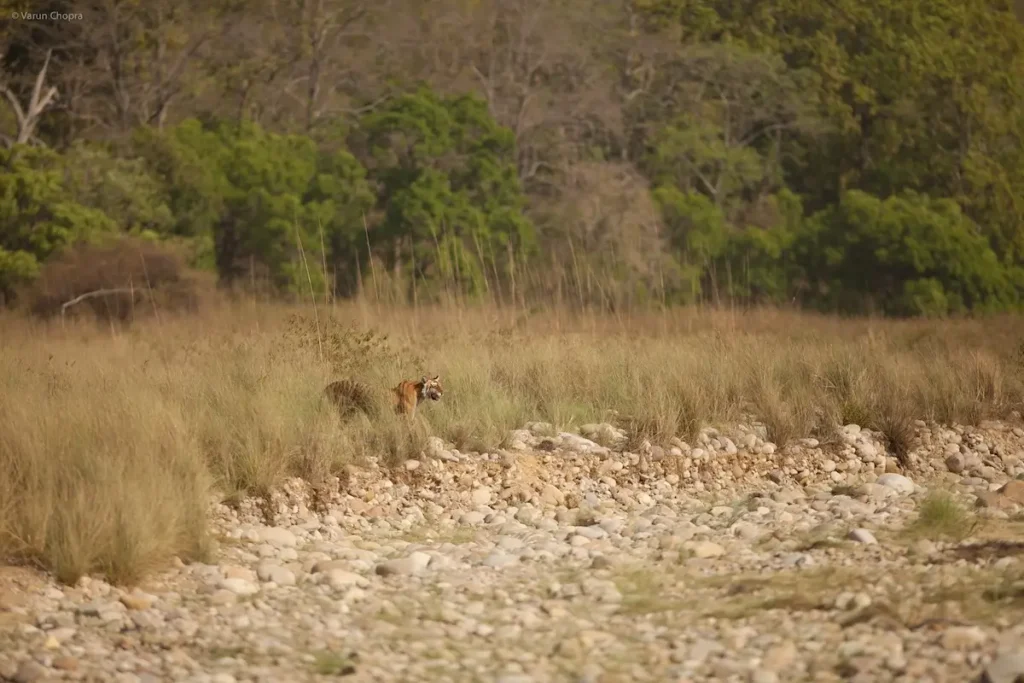
The zone covers roughly 209 sq km of sal forest, seasonal grassland and dry riverbeds on the southern edge of the Corbett landscape. Tigers are resident here. Leopards move through regularly. And because footfall is a fraction of what Dhikala or Bijrani sees, the wildlife here behaves like it hasn’t been watched all day. Because most days, it hasn’t.
What is Sitabani zone?
Sitabani is a buffer zone managed under the Ramnagar Forest Division of the Uttarakhand Forest Department.
It sits outside the Corbett Tiger Reserve’s core zone framework entirely. Separate administration, separate permit system and separate entry gate. The 2 are neighbouring forest areas but they’re governed differently.
The zone is named after the Sitabani temple, an ancient religious site inside the forest that predates the reserve itself. Pilgrims and wildlife watchers share the same forest trails here. That combination exists nowhere else in the region.
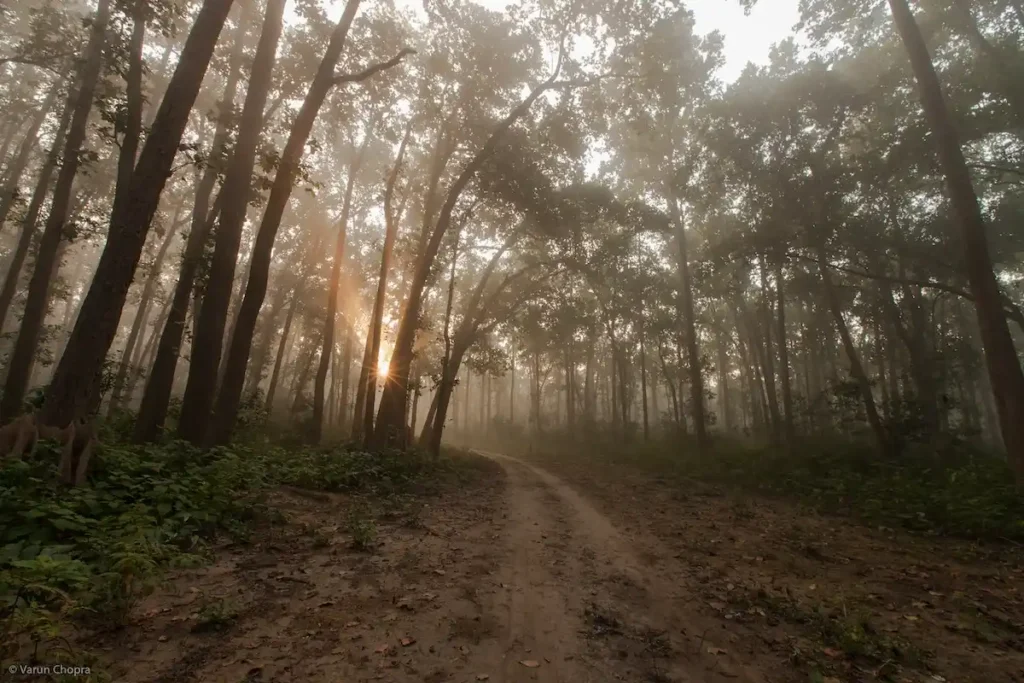
Location and access
- Location: Southern buffer zone, Ramnagar Forest Division, Uttarakhand
- Nearest town: Ramnagar (15 to 18 km)
- Managed by: Ramnagar Forest Division, Uttarakhand Forest Department
- Entry gates: Tedha, Bhandarpani, Pawalgarh & Corbett Heritage Gate, near Ramnagar
Ramnagar is the base. Delhi is roughly 260 km out. Haldwani is 50 km. Nainital is 65 km. Good rail and road connectivity from all 3.
Drive time from Ramnagar to the Sitabani gate is 25 to 35 minutes depending on traffic.
Forest permit: what you need
A buffer zone forest permit issued by the Ramnagar Forest Division is mandatory to enter Sitabani.
This is a separate permit from the Corbett Tiger Reserve core zone permit. The 2 are not interchangeable. Arriving at the Sitabani gate with a Corbett Tiger Reserve permit means you won’t get in.
Permit requirements
| Requirement | Details |
| Permit type | Buffer Zone Forest Permit |
| Issued by | Ramnagar Forest Division, Uttarakhand Forest Department |
| Photo ID | Mandatory for all guests |
| Licensed nature guide | Mandatory |
| Registered safari vehicle | Mandatory |
| Advance booking | 30 to 45 days in peak season |
| Foreign national fee | Additional fee applicable |
| Overnight stay | Not permitted |
Step by step: how to get your permit
Step 1: Contact the Ramnagar Forest Division directly
Sitabani permits are issued through the Ramnagar Forest Division office. This is separate from the standard Corbett Tiger Reserve booking portal. Confirm the current booking channel with the division office or a registered local operator before you try to book.
Step 2: Select Sitabani specifically
Sitabani is listed under the Ramnagar Forest Division’s buffer zone safari options. Pick it specifically. Wrong selection means a wasted trip to the gate.
Step 3: Pick your date and slot
Morning slots fill faster. In peak season, October to March, book 30 to 45 days out. Sitabani has lower overall demand than core zones but popular dates go quickly.
Step 4: Enter every guest’s details accurately
Everyone on the permit carries the exact same ID on safari day. One name mismatch and you’re turned away. No exceptions.
Step 5: Pay and collect your permit
Non-refundable after confirmation. Save the receipt and permit copy. Have both ready before you leave for the gate.
Step 6: Arrive 30 minutes before your slot
No grace period at the Sitabani forest gate. Late means forfeit. No refund.
Permits are non-transferable. Names on the permit must match the people physically present at the gate. If an operator is booking for you, check your name is spelled correctly before payment goes through.
Safari types and timings
Jeep safari
Sitabani runs jeep safaris only. 6-seater registered jeep with a certified nature guide. No canter option exists in this zone. The sal forest trails here are narrow and a jeep is the only vehicle that works properly on them.
Timings
| Season | Morning slot | Afternoon slot |
| October to February | 6:00 AM to 9:00 AM | 2:00 PM to 5:00 PM |
| March to June | 5:30 AM to 8:30 AM | 3:00 PM to 6:00 PM |
| July to September | Closed | Closed |
Confirm exact timings with the Ramnagar Forest Division or your operator when booking. They shift slightly by season.
Wildlife you can spot
Low footfall means wildlife in Sitabani is less vehicle-habituated than in the core zones. Animals here behave more naturally. Encounters tend to last longer.
| Animal | Notes |
| Bengal Tiger | Resident population; sightings recorded regularly |
| Indian Leopard | Most active at dawn and dusk; uses forest edges heavily |
| Sambar Deer | Very common throughout the zone |
| Spotted Deer (Chital) | Large groups near grassland clearings |
| Wild Boar | Frequently seen along forest trails |
| Jungle Cat | Occasionally spotted near grassland edges |
| Honey Badger | Rare but sighted in Sitabani |
| Crested Serpent Eagle | Common in the forest canopy |
| Hornbills | Multiple species; riverine pockets of the zone |
| Himalayan Fish Owl | Evenings near seasonal water sources |
| Kingfishers | Common along seasonal streams |
| Raptors | Wide variety recorded across the zone |
Sitabani is also one of the better birdwatching zones in the broader Corbett landscape. Over 580 bird species have been recorded across the region and Sitabani’s forest pockets hold a strong share of that count.
Morning safaris between 6 AM and 9 AM consistently produce the best wildlife activity. Tigers and leopards are most likely to be moving in those early hours before the heat sets in.
Sitabani temple
The Sitabani temple is an ancient religious site sitting inside the forest along the safari route. It’s dedicated to Sita from the Ramayana and the surrounding forest is considered sacred by local communities.
The temple predates the forest reserve. Pilgrims visit throughout the year. On any given morning safari you might share the trail with a wildlife-watching jeep and a group of devotees on foot at the same time.
That coexistence doesn’t happen in any core zone of the Corbett Tiger Reserve.
Visiting the temple as part of your Sitabani safari doesn’t need a separate entry or additional permit beyond the standard buffer zone forest permit. Confirm current access arrangements with the Ramnagar Forest Division or your operator before visiting.
Best time to visit
| Season | Months | Wildlife activity | What to expect |
| Peak season | October to February | High | Cool and dry; animals near water; good photography light |
| Summer season | March to June | Very high | Hot but vegetation thins out; tiger sighting probability increases |
| Monsoon season | July to September | Zone closed | No public safaris during this period |
October to March is the best overall window. Wildlife is active, temperatures are comfortable and the sal forest is at its most atmospheric.
March to June for tigers. Vegetation drops away in summer and tigers move more openly between water sources. This is when sighting probability is highest in Sitabani.
October to February for birds. Winter brings resident species into full activity and migratory birds pass through the forest edges during these months.
How to book
You can check available packages and plan your Sitabani trip on our Corbett packages page.
Book through the Ramnagar Forest Division
Sitabani permits are handled by the Ramnagar Forest Division office, not the standard Corbett Tiger Reserve portal. Contact the division directly or visit in person to confirm the current booking process. Online availability varies so check before finalising your dates.
Book through a licensed local operator
A registered operator familiar with the Ramnagar Forest Division permit system handles the booking, arranges a certified jeep and assigns a licensed guide. Useful for out-of-state visitors and international travellers. Verify the operator’s credentials with the Forest Division before paying.
Browse verified safari operators and current Sitabani packages on our Corbett packages page.
Jeep only
No canter option in Sitabani. Every safari runs on a 6-seater registered jeep with a guide. The forest trails here don’t suit larger vehicles.
Do’s and don’ts
| Do | Don’t |
| Carry your permit, phone or printed | Enter without a valid buffer zone permit |
| Wear green, khaki or brown | Wear bright or white clothing |
| Follow your guide’s instructions | Step out of the vehicle inside the zone |
| Stay quiet during sightings | Use flash photography or loud sounds |
| Carry all waste out with you | Leave litter or food in the forest |
| Bring a charged power bank | Fly a drone near the zone |
| Respect all wildlife | Feed or approach any animal |
| Book 30 to 45 days early in peak season | Arrive with a Corbett Tiger Reserve permit expecting entry |
Frequently asked questions
Is Sitabani part of the Corbett Tiger Reserve?
No. Sitabani is managed under the Ramnagar Forest Division of the Uttarakhand Forest Department. Separate administration, separate permits and a separate entry gate from the Corbett Tiger Reserve zones.
Does a Corbett Tiger Reserve permit work for Sitabani?
No. A Corbett Tiger Reserve core zone permit is not valid at the Sitabani gate. You need a buffer zone forest permit issued specifically by the Ramnagar Forest Division.
Is a forest permit required for Sitabani?
Yes, without exception. A valid buffer zone forest permit is mandatory for all visitors. Entering without one is a criminal offence under the Wildlife Protection Act, 1972.
Can tigers be spotted in Sitabani?
Yes. Tigers are resident and sightings are recorded regularly. The dense sal canopy rewards patience over quick scanning. Morning safaris give you the best chance.
Are overnight stays allowed?
No. All visitors must exit before the official closing time. Stay in Ramnagar town or at a resort along the forest boundary road.
How far is Sitabani from Ramnagar?
15 to 18 km from Ramnagar town. About 25 to 35 minutes by road.
What makes Sitabani different from the core zones?
2 things mainly. Footfall is much lower so wildlife is less habituated to vehicles. And the permit and administration fall under the Ramnagar Forest Division, not the Corbett Tiger Reserve, so the entire booking process runs separately.
How do I book a Sitabani zone safari?
Check current packages and availability on our Corbett packages page.