
Planning a safari in Jim Corbett and looking for a zone that offers more than just the chance of spotting a tiger?
Most visitors immediately focus on Dhikala, Bijrani, or Jhirna. Yet many experienced wildlife enthusiasts recommend Durgadevi zone Jim Corbett for an entirely different reason. This zone is widely known for birdwatching, beautiful river landscapes, dense forests, and a peaceful safari experience away from some of the busier tourism areas.
The zone attracts birdwatchers, photographers, wildlife enthusiasts, and travelers who enjoy spending time in nature. While wildlife sightings remain an important part of the experience, many visitors remember Durgadevi zone for its scenery, biodiversity, and natural beauty.
Before planning your trip, it’s worth checking availability through the Jim Corbett Safari Booking page so you can reserve your preferred safari date in advance.
Why this zone is different from other safari zones
Every safari zone inside Jim Corbett has its own character. Dhikala is known for its grasslands and large landscapes. Jhirna attracts visitors because it remains accessible for much of the year. Dhela combines diverse habitats and strong wildlife activity.
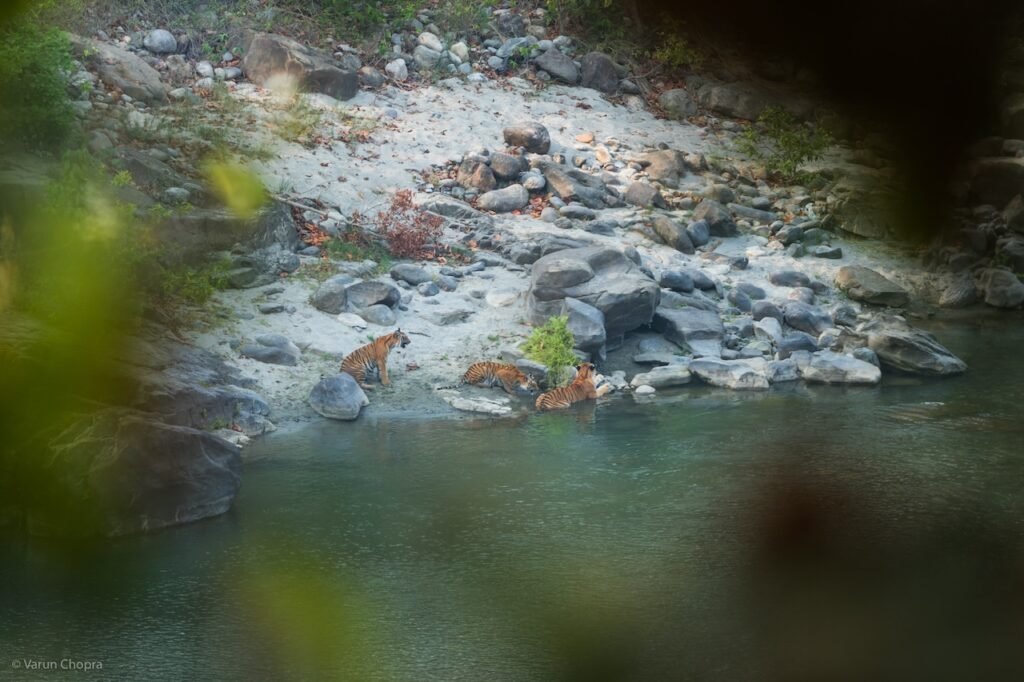
Durgadevi Zone is different because of its rich birdlife, river ecosystems, and forested mountain terrain. The experience feels less focused on a single wildlife sighting and more focused on enjoying the complete forest environment.
This zone is particularly popular among:
- Birdwatchers
- Wildlife photographers
- Nature lovers
- Families looking for a quieter safari
- Repeat visitors to Corbett
Many travelers who have already explored other safari zones eventually choose Durgadevi zone to experience a different side of the reserve.
Quick overview of Durgadevi Zone Jim Corbett
| Detail | Information |
| Zone Name | Durgadevi Zone |
| Safari Type | Jeep Safari |
| Zone Category | Ecotourism Zone |
| Location | Northeastern Corbett Tiger Reserve |
| Known For | Birdwatching and Scenic Landscapes |
| Popular Wildlife | Tiger, Elephant, Leopard, Deer |
| Bird Species | Hundreds of Resident and Migratory Birds |
| Nearest Town | Ramnagar |
The combination of wildlife and bird diversity makes this zone one of the most unique safari destinations inside Corbett.
Where is Durgadevi Zone Jim Corbett located?
Durgadevi Zone Jim Corbett is located in the northeastern region of the Corbett Tiger Reserve. The area lies close to the foothills and river systems that support a wide range of wildlife habitats.
The journey toward the zone is scenic in itself. Visitors travel through forest roads, mountain views, and river landscapes before reaching the safari area. As the surroundings become greener and quieter, many travelers feel that the safari experience has already begun before entering the forest.
Because of its location, the zone supports habitats that differ noticeably from several other tourism zones in Corbett.
The history behind Durgadevi Zone
The zone takes its name from the Durgadevi zone i Temple situated near the forest region. Over the years, the surrounding area became known among birdwatchers and wildlife enthusiasts because of its rich biodiversity.
Long before social media made safari destinations popular, serious birdwatchers were already visiting this part of Corbett. Its reputation spread gradually through photographers, naturalists, and wildlife researchers who appreciated the variety of species found here.
Today, the zone continues to attract travelers looking for a more nature-focused safari experience.
Understanding the landscape
One of the first things visitors notice is how different the terrain feels compared to other parts of Corbett.
The landscape includes:
- Dense sal forests
- Riverbeds
- Rocky terrain
- Seasonal streams
- Open clearings
- Mountain foothill habitats
This mix of habitats supports an impressive range of wildlife and bird species. During a single safari, visitors often move through several different environments, each creating unique opportunities for wildlife observation.
The changing scenery keeps the drive interesting from start to finish.
Why birdwatchers love Durga Devi
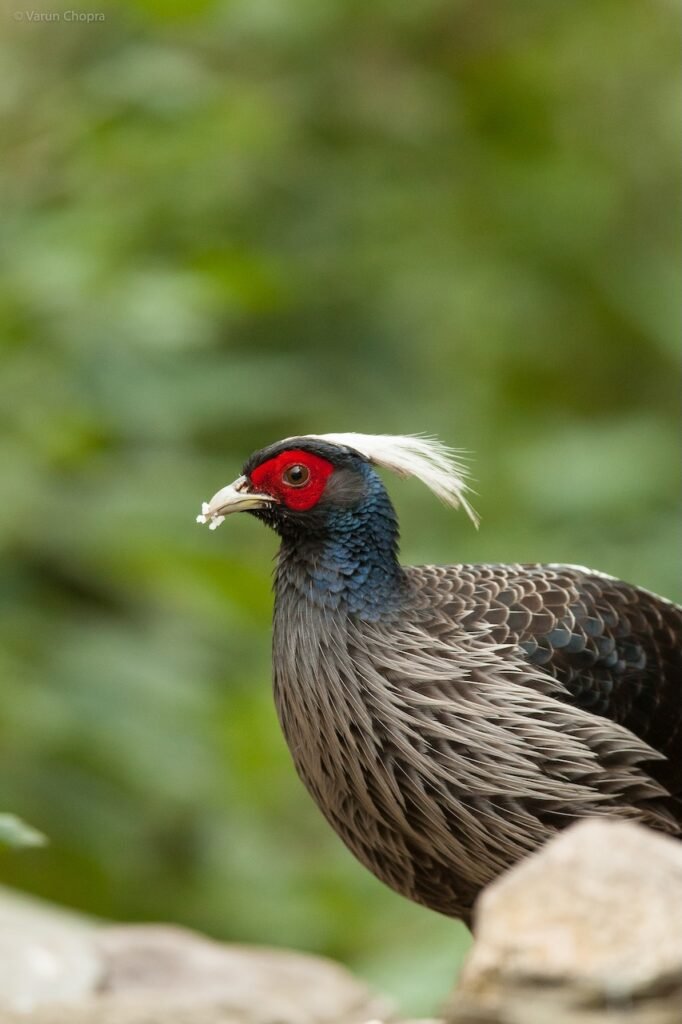
Among wildlife enthusiasts, Durgadevi zone Jim Corbett is often described as one of the best birdwatching areas in the reserve.
The reason is simple. The combination of forests, rivers, elevation changes, and natural food sources attracts a remarkable variety of bird species throughout the year.
Birdwatchers often choose this zone specifically for photography and species observation. Some visitors even schedule multiple safaris because a single trip rarely feels enough.
Whether you’re an experienced birder or someone who simply enjoys nature, the variety of birds here is difficult to ignore.
Common bird species seen in Durgadevi zone
The zone supports both resident and seasonal birds. Depending on the time of year, visitors may encounter a wide range of species.
Common sightings include:
- Great Hornbill
- Oriental Pied Hornbill
- Crested Serpent Eagle
- Kingfishers
- Woodpeckers
- Drongos
- Flycatchers
- Minivets
- Parakeets
- Eagles
- Owls
- Kalij Pheasant
- Black Francolin
Many photographers leave with hundreds of bird photographs after a single safari.
The bird diversity alone makes the zone worth visiting.
Wildlife beyond birds
Birdlife may be the main attraction, but wildlife remains an important part of the safari experience.
Bengal Tiger
Tiger sightings occur within the zone, although the area is generally better known for birdwatching than predator-focused safaris. Visitors occasionally encounter fresh pugmarks and signs of tiger movement during their drive.
Asian Elephant
Elephants are among the most exciting animals visitors may encounter. Family groups are sometimes seen moving through forest sections and river corridors.
Watching elephants in their natural environment is often one of the most memorable parts of the safari.
Leopard
Leopards live within the area but are naturally elusive. Sightings are less common, which makes every encounter particularly exciting.
Deer Species
Several deer species are regularly observed.
These include:
- Sambar Deer
- Spotted Deer
- Barking Deer
Their presence often helps guides identify predator movement through alarm calls and behavior patterns.
Other Wildlife
Visitors may also encounter:
- Wild Boar
- Jackals
- Langurs
- Reptiles
- Small mammals
Even when larger predators remain hidden, the forest rarely feels quiet.
River ecosystems and biodiversity
One feature that separates Durgadevi zone from many other safari zones is the presence of river ecosystems.
Water sources attract wildlife throughout the year. Birds gather near riverbanks, animals visit to drink, and vegetation becomes denser around these areas.
These river habitats contribute significantly to the biodiversity of the zone and create excellent opportunities for photography.
Many visitors remember the flowing streams and scenic river crossings long after their safari ends.
Photography opportunities in Durgadevi zone
Photographers often consider this zone one of the most visually appealing areas of Corbett.
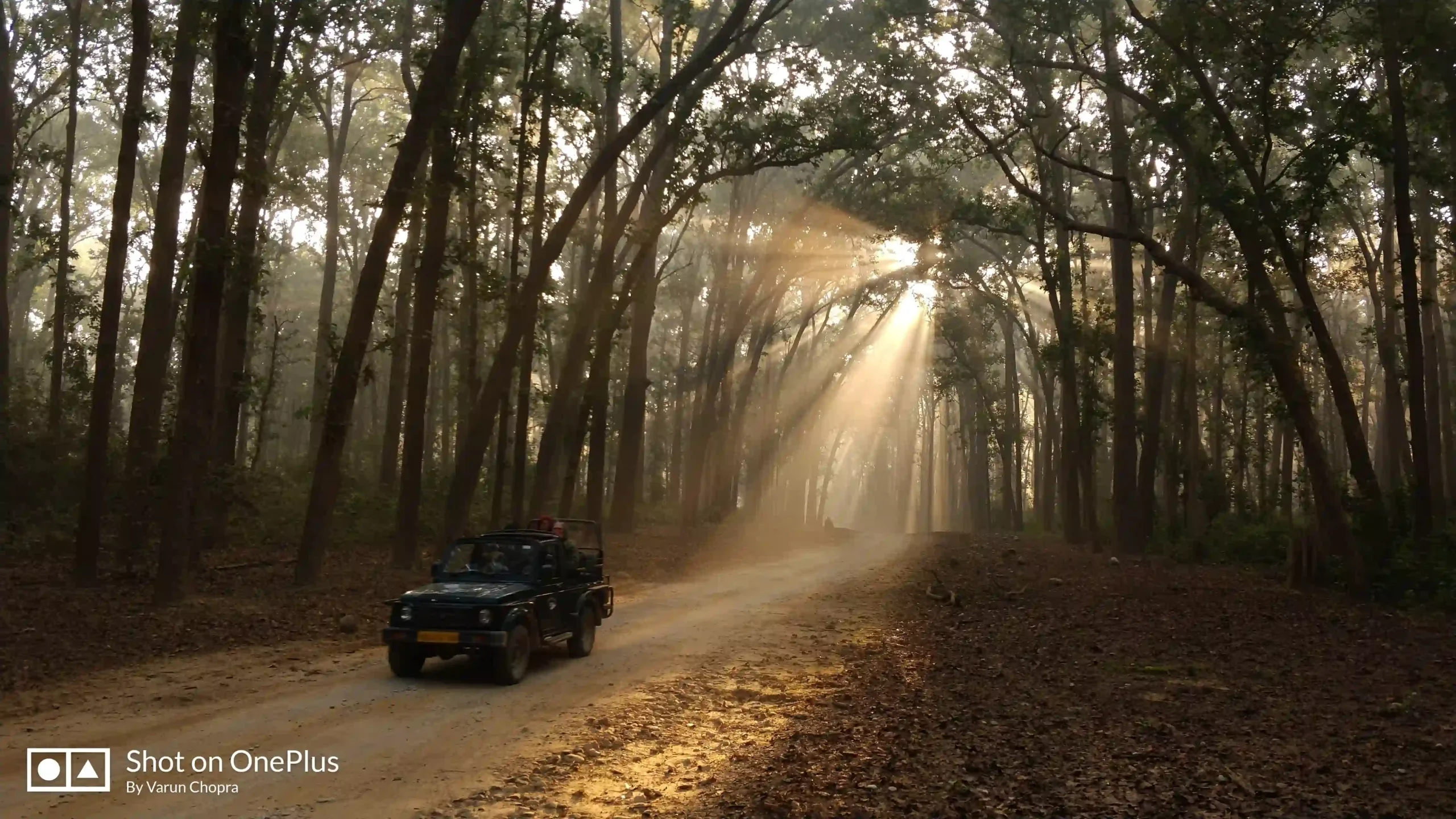
Morning safaris can produce mist-covered landscapes and soft natural light filtering through the trees. Riverbeds create dramatic compositions, while forest sections provide depth and texture.
Bird photographers particularly enjoy the constant activity throughout the safari. Landscape photographers appreciate the combination of forests, hills, and river scenery.
Every section of the route presents a different visual opportunity.
What makes the safari experience different?
Some safari zones focus heavily on tracking predators. Durgadevi zone feels broader in comparison. Visitors spend time observing entire ecosystems rather than concentrating on a single species. One moment you may be photographing a hornbill, and a few minutes later you may encounter deer feeding near a forest clearing. Then the route shifts toward a riverbed filled with bird activity.
The variety keeps the experience engaging throughout the safari. For many travelers, that diversity becomes the biggest reason to visit Durgadevi zone Jim Corbett.
Durgadevi safari experience
A safari inside Durgadevi zone feels different from many other zones in Corbett. The experience is slower, quieter, and often more rewarding for visitors who enjoy observing nature closely.
Instead of constantly searching for a single animal, visitors spend time exploring forests, riverbeds, and bird-rich habitats. The changing terrain keeps the safari interesting. One section may be filled with bird activity, while another may reveal fresh wildlife movement near a water source.
Many visitors describe Durgadevi zone as one of the most peaceful safari experiences in Corbett.
Durga Devi gate and entry information
One of the most searched terms related to this zone is Durgadevi zone Gate. This gate serves as the main access point for safari vehicles entering the area.
Visitors should arrive before their reporting time to complete verification and entry procedures. Reaching the gate early also allows enough time for guide coordination and vehicle allocation.
Because safari operations follow strict schedules, late arrivals can create unnecessary complications.
Safari timings in Durgadevi Zone
Safari timings vary according to season and forest department guidelines. Visitors generally have access to morning and afternoon safari sessions.
Morning safari
Morning drives are especially popular among birdwatchers and photographers. The forest is quieter, temperatures remain comfortable, and bird activity is often at its highest.
Benefits include:
- Better wildlife visibility
- Comfortable temperatures
- Excellent photography light
- Active birdlife
Afternoon safari
Afternoon safaris provide a different atmosphere. As temperatures begin to fall, wildlife movement often increases in several parts of the forest.
Benefits include:
- Warm evening light
- Scenic landscapes
- Good photography opportunities
- Pleasant safari conditions
Visitors should always confirm current timings before their travel date.
Best time to visit Durgadevi Zone Jim Corbett
The zone remains attractive throughout different seasons, although each period provides a slightly different experience.
Winter season
Winter is particularly popular among birdwatchers and photographers. Pleasant weather and seasonal bird activity attract visitors from across the country.
Winter is ideal for:
- Birdwatching
- Photography
- Family trips
- Comfortable safari drives
Summer season
Summer often attracts wildlife enthusiasts focused on animal sightings. As temperatures rise, animals spend more time around water sources and open areas.
Many experienced safari travelers prefer summer for this reason.
Monsoon period
Weather conditions can influence safari operations and route accessibility. Visitors should always check current updates before planning their visit.
Jim Corbett Safari Booking
Planning ahead helps create a smoother safari experience. A Jim Corbett Safari Booking should ideally be completed in advance, especially during weekends, school vacations, and peak travel months.
Popular safari dates often receive strong demand. Early booking provides more flexibility when selecting travel dates and safari sessions.
Before finalizing accommodation and transportation, visitors should confirm safari availability.
Durgadevi safari booking process
A Durgadevi Safari should be booked as early as possible if you’re traveling during popular tourism periods.
Visitors generally need:
- Full name
- Government-issued photo ID
- Contact information
- Travel date
- Visitor details
The information provided during booking should match the identification carried during the safari.
Accurate details help avoid delays during entry procedures.
Why booking early helps
Many travelers assume lesser-known safari zones remain available at the last minute.
That isn’t always the case.
Durga Devi attracts birdwatchers, photographers, and nature enthusiasts throughout the year. Demand can increase significantly during:
- Winter vacations
- Long weekends
- School holidays
- Festival periods
Early reservations usually provide better date flexibility and reduce travel stress.
Comparing Durgadevi zone with other safari zones
Each zone inside Corbett offers a different experience.
Durgadevi zone is often chosen by visitors who prefer biodiversity and birdlife over heavily crowded safari routes.
Some visitors choose Dhikala for landscapes.
Others select Jhirna because of year-round accessibility.
Durgadevi zone attracts travelers interested in forests, rivers, birds, and a quieter wildlife experience.
Understanding these differences can help visitors select the zone that matches their interests.
Tips for first-time visitors
A few simple preparations can improve the safari experience considerably.
Wear suitable clothing
Choose natural colors such as:
- Green
- Brown
- Grey
- Beige
These colors blend better with the forest environment.
Carry binoculars
Binoculars can dramatically improve birdwatching and wildlife observation.
Many species remain at a distance, and binoculars help visitors appreciate details that would otherwise be missed.
Arrive early
Reporting before the scheduled time allows a smoother entry process.
Stay patient
Wildlife sightings depend entirely on nature. Patience remains one of the most important parts of a successful safari.
Things to carry during your safari
Recommended items include:
- Government-issued ID
- Camera
- Extra batteries
- Binoculars
- Water bottle
- Sunglasses
- Hat or cap
- Light jacket during winter
Traveling light often creates a more comfortable safari experience.
Safari etiquette inside Durgadevi Zone
Responsible tourism helps protect wildlife and natural habitats.
Visitors should always:
- Follow guide instructions
- Remain seated inside the vehicle
- Avoid loud conversations
- Keep mobile phones silent
- Never feed wildlife
- Never throw litter inside the forest
Simple actions help preserve the ecosystem for future visitors.
Common mistakes visitors make
Expecting only tiger sightings
Durga Devi is famous for much more than predators. Visitors who appreciate birds, landscapes, and biodiversity usually enjoy the safari the most.
Ignoring birdlife
Many travelers focus entirely on mammals and miss some of the zone’s greatest attractions.
Booking too late
Popular dates often become unavailable faster than expected.
Carrying excessive equipment
Heavy bags can become inconvenient during longer safari drives.
Is Durgadevi Zone worth visiting?
Absolutely.
Durgadevi Zone Jim Corbett provides a safari experience that feels very different from many other parts of the reserve. The combination of birdwatching, forest landscapes, river ecosystems, and wildlife diversity creates an experience that appeals to photographers, nature lovers, families, and wildlife enthusiasts alike.
Visitors looking for a quieter and more nature-focused safari often consider this zone one of the most rewarding parts of Corbett.
Book a Durgadevi zone safari
If this zone is part of your travel plans, secure your preferred safari date as early as possible.
Before finalizing your itinerary, visit the Corbett Safari Booking page and check availability for your travel dates.
Early planning usually leads to a smoother and more enjoyable safari experience.
Frequently asked questions
Where is Durgadevi Zone located?
Durgadevi Zone is located in the northeastern section of the Corbett Tiger Reserve near river and foothill habitats.
Why is Durgadevi zone famous?
The zone is widely known for birdwatching, scenic landscapes, river ecosystems, and rich biodiversity.
What wildlife can be seen in Durgadevi zone?
Visitors commonly report sightings of tigers, elephants, leopards, deer, wild boar, jackals, and numerous bird species.
Is Durgadevi zone good for birdwatching?
Yes. Many wildlife enthusiasts consider it one of the best birdwatching zones in Corbett.
What is the Durgadevi zone Gate?
The Durgadevi zone Gate is the primary access point used by safari vehicles entering the zone.
Is Durgadevi zone suitable for first-time visitors?
Yes. The zone is suitable for families, photographers, birdwatchers, and first-time safari travelers.
How early should I complete Durgadevi safari booking?
Booking several weeks in advance is recommended, especially during holidays and peak tourism periods.
What should I carry during a safari?
Carry a valid ID, camera, binoculars, water bottle, sunglasses, and comfortable outdoor clothing.