
Introduction
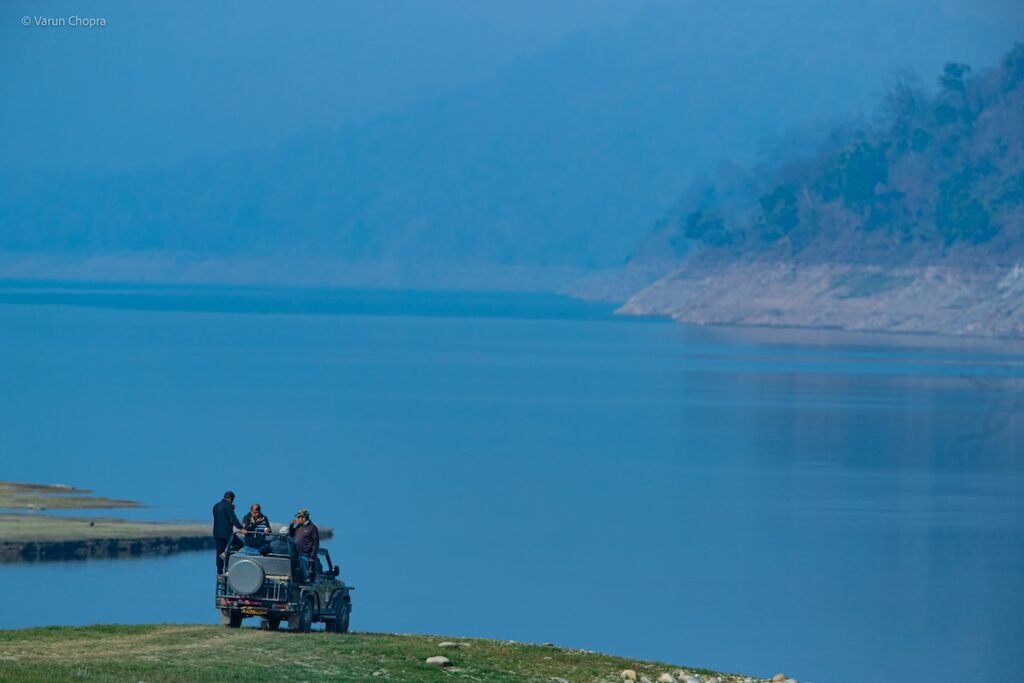
Planning a wildlife trip to Jim Corbett National Park and wondering when to go? You’re not alone — the best time to visit Jim Corbett National Park is one of the most common questions we get from travellers. And it’s a great question, because the timing of your visit can completely change your experience — from the wildlife you spot to the zones you can access and the weather you’ll enjoy.
The good news? Jim Corbett is a year-round destination, with each season offering something different. This complete month-by-month guide will help you pick the perfect time based on what matters most to you — tiger sightings, birdwatching, budget, or simply beating the crowds.Many travellers ask us: what is the best time to visit Jim Corbett National Park? The honest answer depends on what you're looking for — and this guide covers all scenarios.
Jim Corbett National Park: Season Overview
Jim Corbett National Park experiences three distinct seasons — winter, summer, and monsoon — each with its own character, advantages, and limitations.
| Season | Months | Highlights |
|---|---|---|
| Winter | November – February | Best for wildlife & birdwatching |
| Summer | March – June | Best for tiger sightings |
| Monsoon | July – October | Lush greenery, fewer crowds |
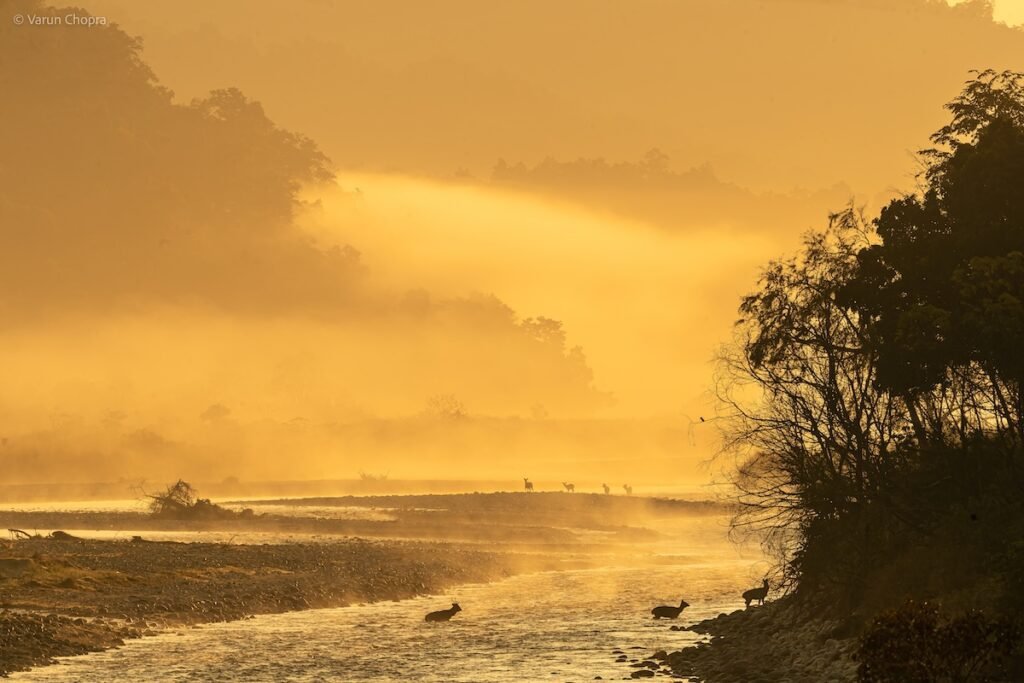
Winter (November to February) — The Most Popular Time to Visit
If you’re visiting Jim Corbett National Park for the first time, winter is the best season to go. The weather is cool and pleasant, most safari zones are open, and wildlife activity is at its peak.
Temperatures during winter drop to around 4°C at night and rise to a comfortable 20–25°C during the day — perfect conditions for long morning and afternoon safaris without the discomfort of heat or humidity.
Why winter is great for wildlife spotting:
- Animals are more active during cooler temperatures
- Vegetation thins out, making it easier to spot animals through the forest
- The Ramganga river attracts elephants, deer, and predators to its banks
- Over 600 species of migratory birds arrive between November and February, making it a paradise for birdwatchers
Zone availability in winter: All major zones including Dhikala, Bijrani, Jhirna, Dhela, Garjia, and Durga Devi are open during winter — giving you the widest choice of safari experiences.
Peak season tip: Safari permits sell out 45–60 days in advance during December and January, so book early to secure your preferred zone and time slot.
Summer (March to June) — The Best Time for Tiger Sightings
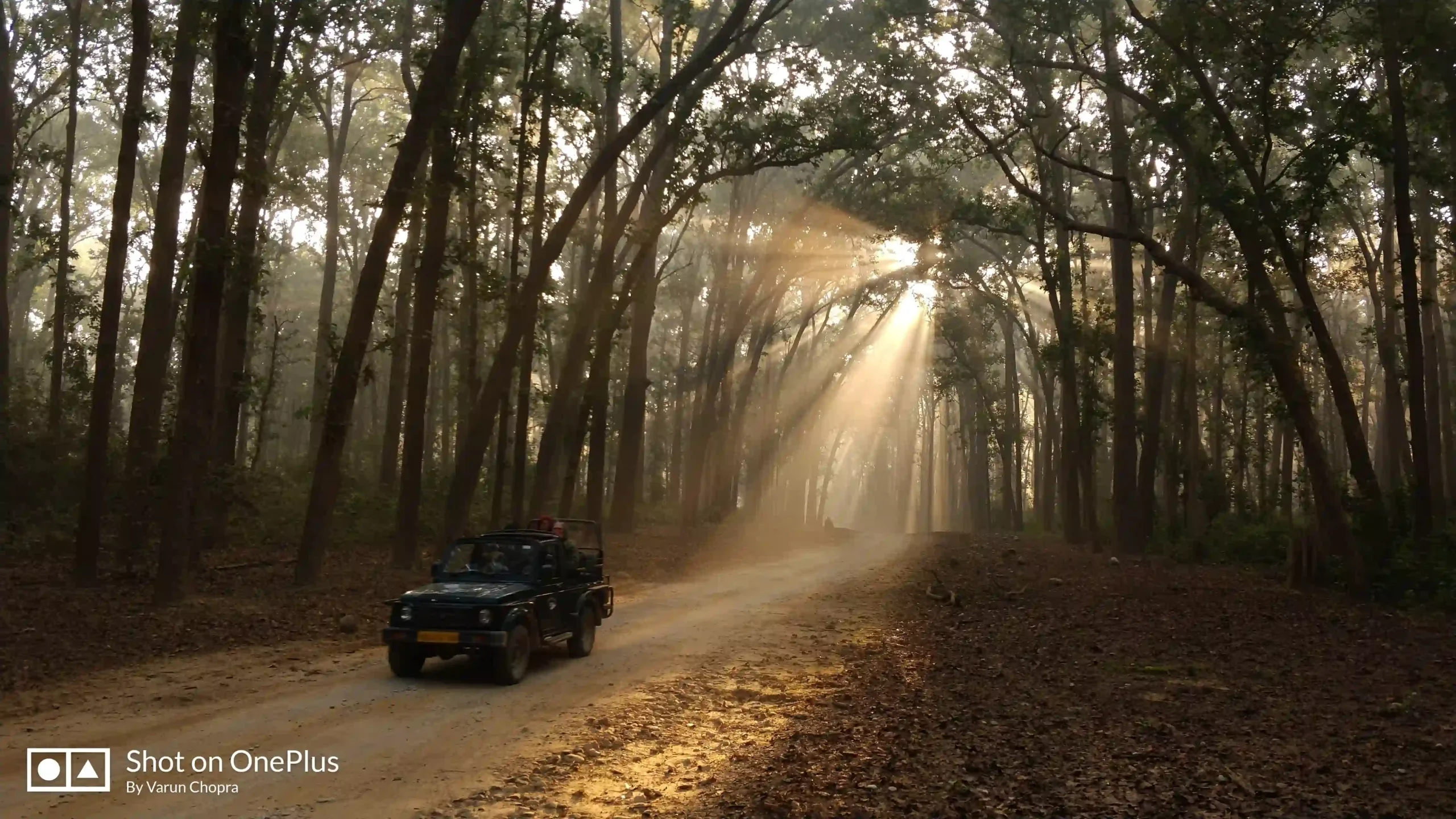
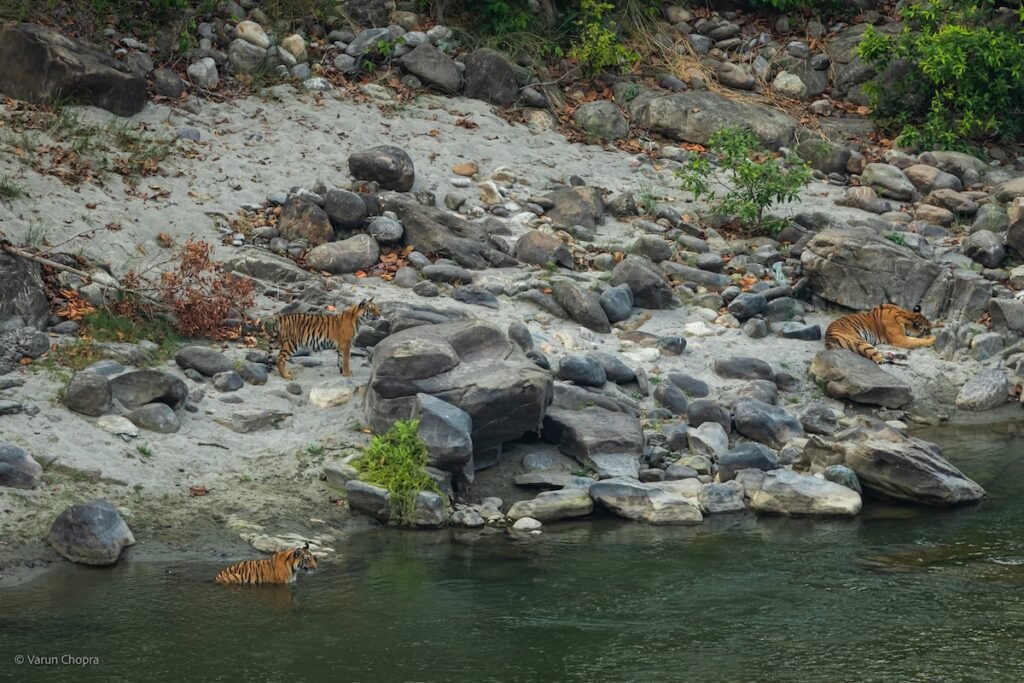
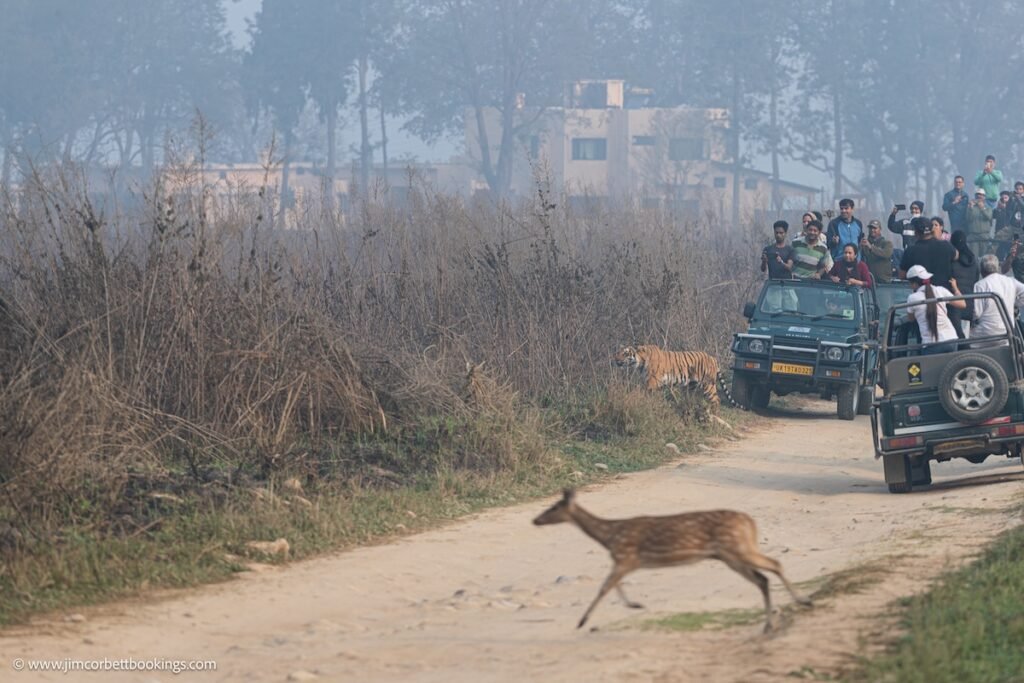
If spotting a tiger is your primary goal, summer is actually the best time to visit Jim Corbett National Park. As temperatures rise and water sources begin to dry up across the forest, tigers and other wildlife are forced to gather near rivers and water holes — dramatically increasing your chances of a sighting.
Temperatures in summer can climb to 40–42°C during the afternoon, but early morning safaris (which start at sunrise) are perfectly comfortable and consistently deliver the best wildlife sightings of the year.
Why summer is ideal for tiger sightings:
- Reduced water sources concentrate wildlife near rivers
- Tigers are frequently spotted near the Ramganga river and open grasslands
- Fewer trees in leaf means better visibility deep into the forest
- Morning safaris offer cool temperatures and golden light — perfect for wildlife photography
Dhikala Canter Safari runs from 15th November to 15th June — so if you want to experience the famous canter safari through Corbett’s most iconic zone, plan your visit before mid-June.
March to May is our personal favourite time to recommend to guests looking for maximum wildlife action. If you’d like to plan a summer safari trip, check our Corbett packages for the best options.
Monsoon (July to October) — Hidden Gem for the Adventurous Traveller
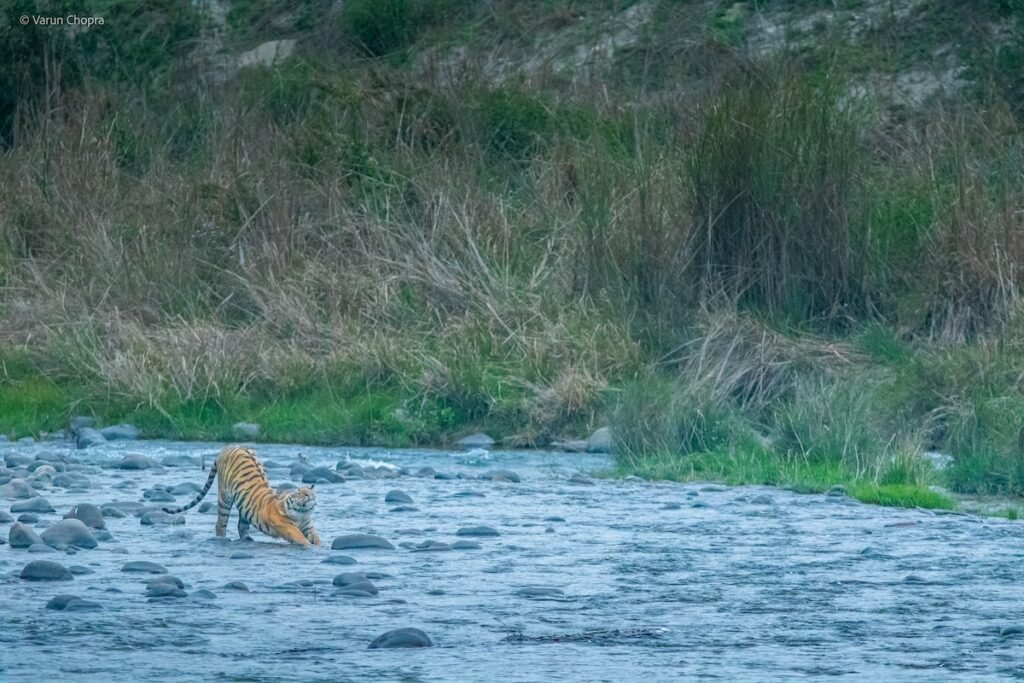
The monsoon season at Jim Corbett is often overlooked, but it has a charm all of its own. The forest transforms into a lush, vibrant green landscape, the Ramganga river swells dramatically, and the entire park feels alive with the sounds of nature.
However, the monsoon does come with restrictions. Most of the core safari zones — including Dhikala, Bijrani, and Durga Devi — are closed during the heavy monsoon months to protect the forest and wildlife. Only Jhirna and Dhela zones remain open throughout the year, offering safaris even during July to October.
Why visit during monsoon:
- Dramatically lower room and resort rates — great for budget travellers
- Far fewer crowds — you may have entire safari routes to yourself
- The forest is at its most beautiful — lush, green and atmospheric
- Excellent birdwatching as resident species are highly active
Who should visit in monsoon? Seasoned wildlife travellers, birdwatchers, photographers looking for dramatic landscapes, and budget-conscious travellers who don’t mind the rain will love a monsoon visit to Corbett.
Month-by-Month Guide to Jim Corbett National Park
| Month | Weather | Tiger Sightings | Crowds | Zones Open |
|---|---|---|---|---|
| November | Cool & pleasant | Good | High | All zones |
| December | Cold | Very good | Very high | All zones |
| January | Cold | Very good | Very high | All zones |
| February | Cool | Good | High | All zones |
| March | Warm | Excellent | Moderate | All zones |
| April | Hot | Excellent | Moderate | All zones |
| May | Very hot | Best | Low–Moderate | All zones |
| June | Very hot | Good | Low | Most zones |
| July | Monsoon | Limited | Very low | Jhirna & Dhela |
| August | Monsoon | Limited | Very low | Jhirna & Dhela |
| September | Monsoon | Limited | Very low | Jhirna & Dhela |
| October | Post-monsoon | Good | Low | Jhirna & Dhela |
Which Zone Should You Visit and When?
Different zones of Jim Corbett National Park have different open seasons, and matching your travel dates to the right zone makes a big difference:
- Dhikala Zone — Open 15th November to 15th June. Best visited in March–May for tiger sightings
- Bijrani Zone — Open 15th October to 30th June. Great all through winter and summer
- Jhirna & Dhela Zones — Open all year. Perfect for monsoon visits
- Durga Devi Zone — Open 15th November to 15th June. Best for birdwatching in winter
- Garjia Zone — Open all year. Good for a quick safari combined with a temple visit
Frequently Asked Questions
Which is the best month to visit Jim Corbett National Park? March to May is the best time for tiger sightings, while November to February is ideal for pleasant weather and birdwatching. Both seasons offer excellent safari experiences.
Is Jim Corbett open in July and August? Most core zones are closed during the heavy monsoon months. However, Jhirna and Dhela zones remain open throughout the year, including July and August.
How far in advance should I book my safari? During peak season (November to February), book at least 45–60 days in advance. For summer and monsoon visits, 2–3 weeks notice is usually sufficient.
Is Jim Corbett worth visiting in summer? Absolutely. Summer (March to June) actually offers the best tiger sighting opportunities of the year as wildlife gathers near water sources. Early morning safaris are very comfortable despite the afternoon heat.
Whether you visit in winter, summer or monsoon, the best time to visit Jim Corbett National Park ultimately depends on your personal travel goals and interests.
Plan Your Trip at the Best Time to Visit Jim Corbett National Park
Now that you know the best time to visit Jim Corbett National Park, the next step is securing your safari permits and accommodation before slots fill up. At Jim Corbett Bookings, we handle everything — from safari bookings and zone selection to resort stays and local transport.
📞 Call or WhatsApp: +91 9814701010 📩 Email: sales@jimcorbettbookings.com
Whether you’re planning a winter birdwatching trip, a summer tiger safari, or a quiet monsoon escape — we’ll make sure every detail is taken care of. Start planning today! 🐯